Interior Design Website Development

An interior design website should make your work, process, and studio approach easy to assess. We bring your portfolio, services, and inquiry flow into a visual structure that does not leave prospective clients guessing what to do next.
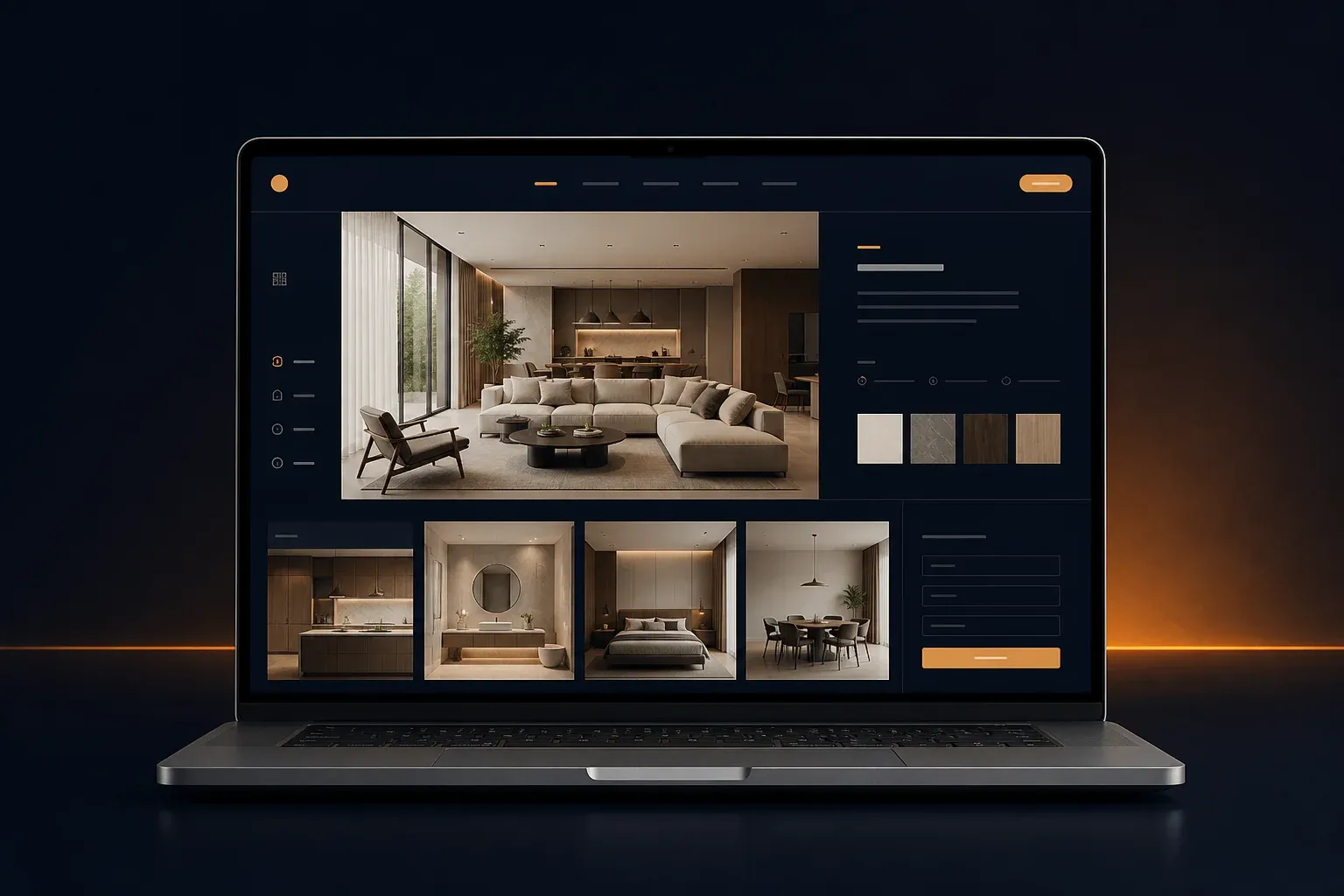
Interior design studio website mockup with portfolio and project materials

Make Your Interior Design Portfolio Easier to Assess

Prospective clients usually want to see the quality of your work, the spaces you have handled, and how to start a project. A website brings that information together in a clear flow.

Group the portfolio by space type, style, location, or project need.

Explain services and process in language that helps prospective clients assess the fit.

Use a form or WhatsApp flow to collect an initial brief before the conversation begins.

See the Approach in Practice

INTERIOR DESIGN WEBSITE STRUCTURE

What Belongs on an Interior Studio Website?

A strong website is more than a gallery. Each section helps prospective clients understand the studio's expertise and decide whether to get in touch.

The final structure follows your project types, portfolio size, service areas, and the way your studio receives briefs.

  1. Studio Positioning

    Explain the space types, style, service areas, and client types that fit your studio best.

  2. Project Portfolio

    Show photos, space type, location, brief, and work scope in project details that are easy to scan.

  3. Services and Specializations

    Separate services such as interior design, renovation, styling, or consultation based on your actual scope.

  4. Working Process

    Help prospective clients understand briefing, concept, revision, production, and handover without making promises that have not been confirmed.

  5. Proof and Credentials

    Place experience, collaborations, publications, or testimonials that can genuinely be verified and published.

  6. Brief-Based Inquiry

    The form can ask about space type, location, size, timeline, and initial needs so follow-up is more efficient.

An Interior Website Built Around How the Market Searches

We start with the service terms and questions prospective clients use, then shape pages that answer those needs with strong visual context.

  1. Semrush Keyword Research

    Interior design website, portfolio, renovation, and related service keywords are mapped as estimates rather than traffic promises.

  2. Competitor SERP Analysis

    Ranking pages are compared to find useful topic, proof, and question patterns without copying their content.

  3. Copywriting for Project Briefs

    Service, portfolio, process, and CTA narratives are written so prospective clients can understand your studio's fit more quickly.

  4. Clear to Google and AI

    Headings, metadata, schema, and internal links are made clear so studio information is easier for search engines and AI assistants to process.

Semrush and SERP provider data are estimates. Page decisions are still validated against your real services, portfolio, and target clients.

An Approach for Visual Service Websites

An interior studio has something in common with other portfolio-led businesses: visitors need context for the work, a clear service structure, and a straightforward inquiry step.
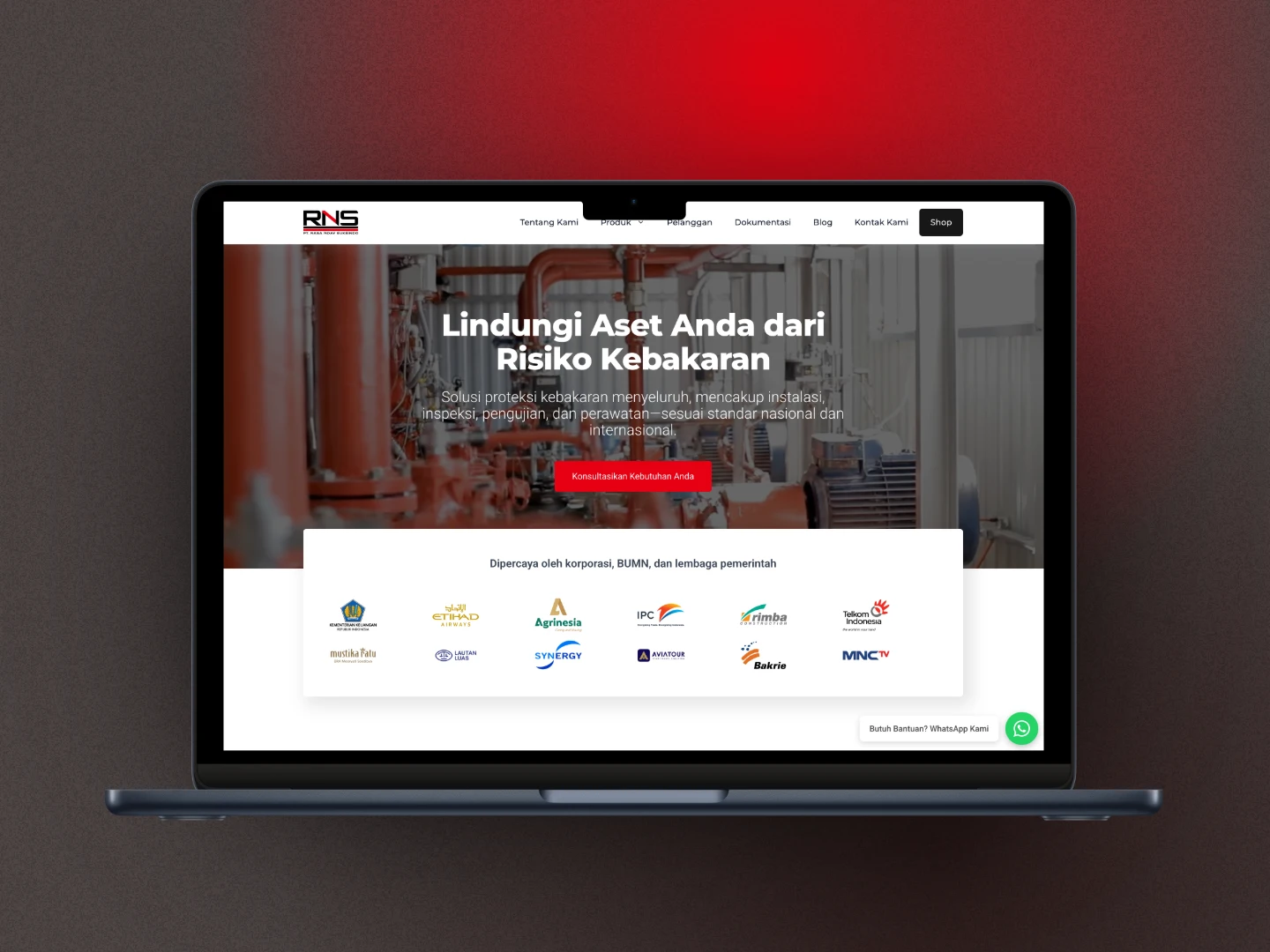
HydrantSystem.co.id after the rebuild

HydrantSystem.co.id: A Business Catalog with Custom Structure

This was not an interior project, but its catalog and custom-field approach shows how product or service information can be managed without turning the website into an online store.
CPT + SCF
Structured content
No WooCommerce
Catalog built to fit the need
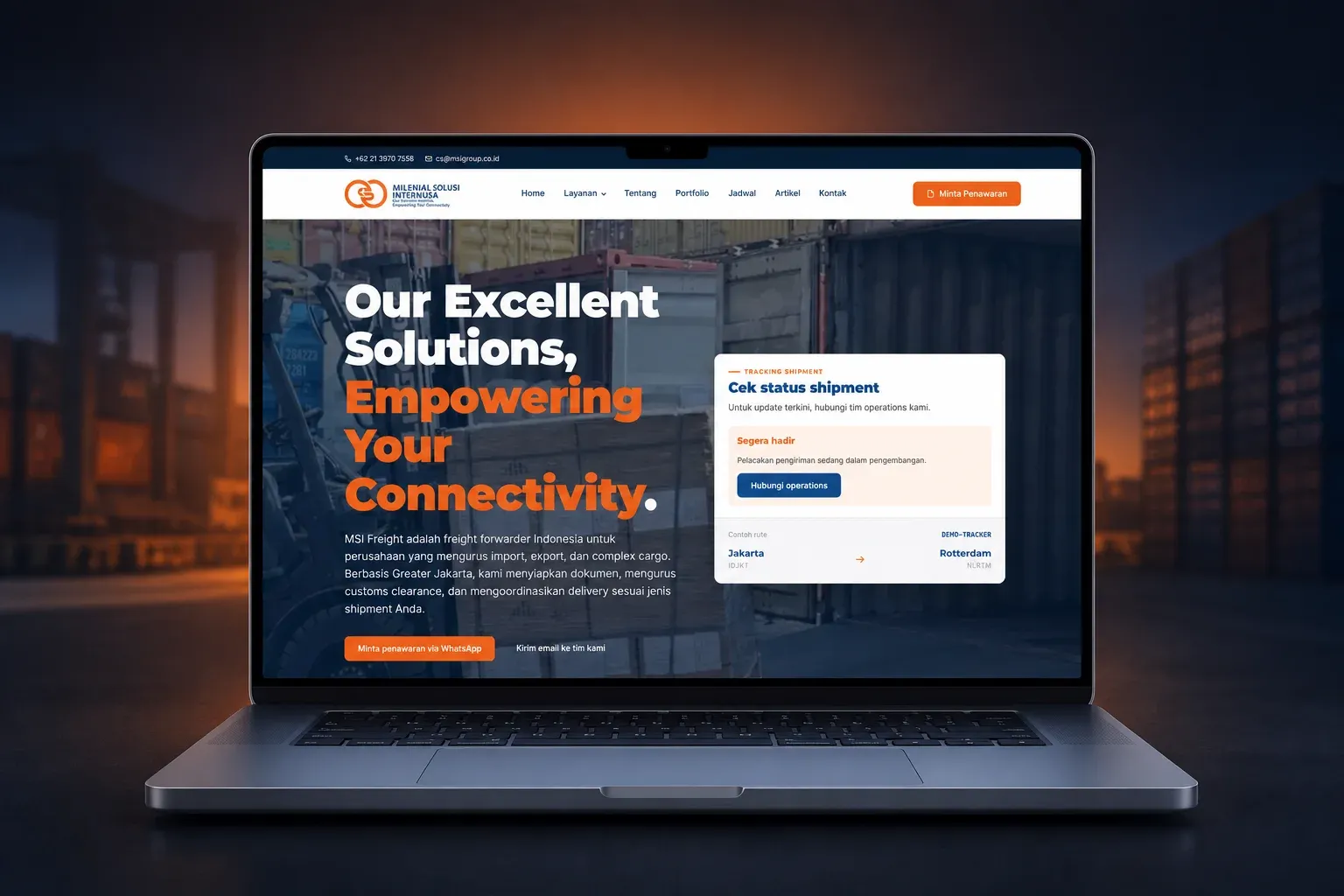
Laptop mockup showing the exportimportdept.com homepage

exportimportdept.com: HTML Site to Custom WordPress

This project shows how an existing visual direction can be translated into a custom theme and blocks so the team can keep managing pages, articles, and inquiries.

Custom Theme
Design direction preserved
Custom Blocks
Editor follows the workflow

Features That Matter for an Interior Design Website

Structured Project Portfolio

Each project can have its own context so visitors understand the brief, scope, and results you are allowed to publish.

  • Project galleries and details
  • Space-type or style categories
  • Location and scope fields

Specific Service Pages

Core services can be explained on separate pages with an appropriate process, scope, and CTA.

  • Design, renovation, or styling
  • Content that is easy to scan
  • CTAs placed at relevant points

More Complete Project Briefs

An inquiry form helps you receive more useful initial information before scheduling a discussion.

  • Space type and location
  • Size, timeline, and project priorities
  • Routing to email or WhatsApp

CMS That Fits the Studio Workflow

Custom fields or blocks can follow the way your team updates projects, services, and images without touching code.

  • Content fields matched to the need
  • An editor that is comfortable for the team
  • Clear handover and documentation

Intent-Led SEO Foundation

Page architecture and copywriting start from the terms prospective clients use, not from an empty template.

  • Semrush keyword research
  • Metadata and headings for each page
  • Contextual internal links

Visuals That Remain Comfortable on Mobile

Galleries, typography, and CTAs are arranged so the work remains the focus without making the page heavy or difficult to use.

  • Responsive from the start
  • Images optimized for the need
  • Clear content hierarchy

How We Build an Interior Design Website

We start from your portfolio and how the studio receives briefs, then turn that into a website structure your team can use comfortably.

1

Map the Portfolio and Services

We understand your project types, target clients, service areas, work proof, and the information visitors need before making an inquiry.

We understand your project types, target clients, service areas, work proof, and the information visitors need before making an inquiry.

The result is a clear page priority, project category, and content-field plan before design begins.

Portfolio
Target clients
2

Research Keywords and Build the Content Map

We use Semrush, compare SERP patterns, and shape service, project, process, and CTA pages around search intent.

We use Semrush, compare SERP patterns, and shape service, project, process, and CTA pages around search intent.

At this stage, you have a clearer view of what must be available at launch and what can be developed later.

Search data
Content map
3

Design, Development, and Handover

Once the structure is agreed, we build the website, test the gallery and inquiry flow, and prepare a management workflow for your team.

Once the structure is agreed, we build the website, test the gallery and inquiry flow, and prepare a management workflow for your team.

The website launches with content, performance, and documentation ready for future marketing work.

Relevant design
Clean handover

INDUSTRIES

Explore other industries

See website approaches shaped around the services, proof, catalog, and inquiry flow of each business.
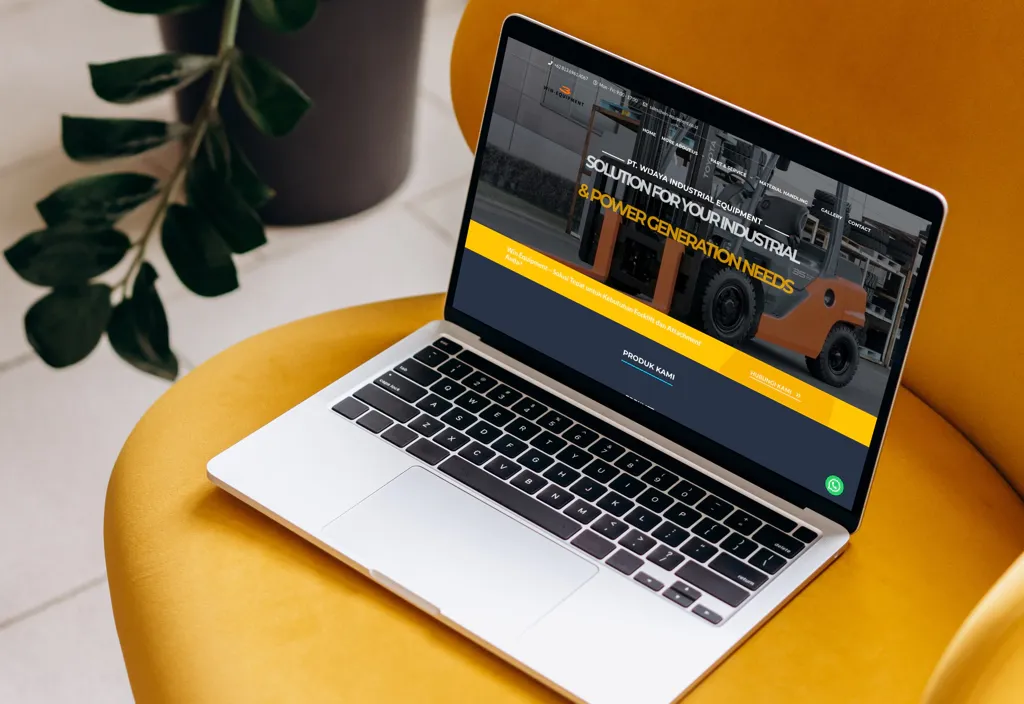
Industrial business website mockup as a reference for contractor website development

Contractor Websites

Build credibility before prospective clients request a proposal.

Present construction services, projects, credentials, and B2B inquiry paths in a structure that is easy to assess.

View Contractor Websites
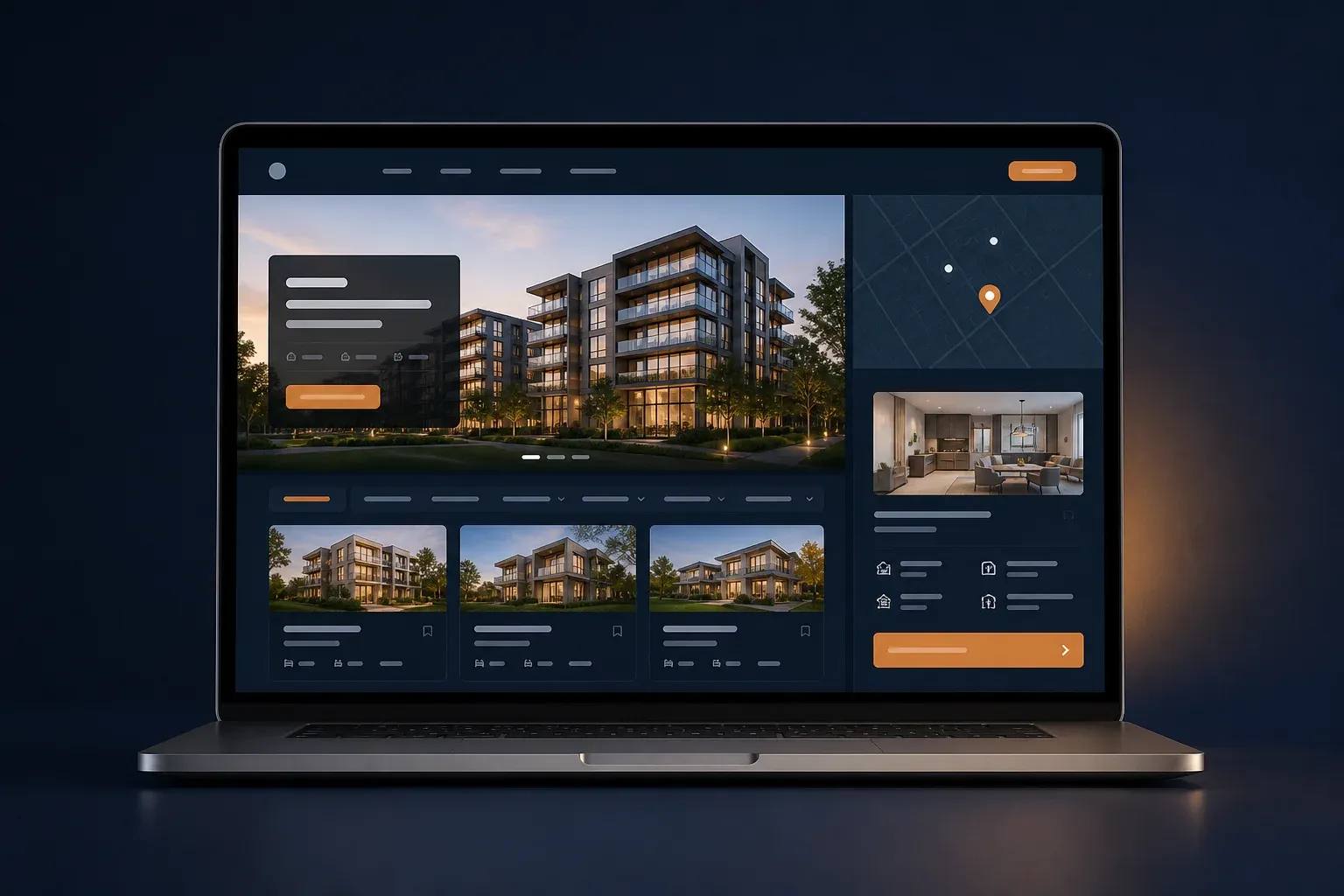
Property website mockup with listings, map location, and unit details

Property Websites

Help buyers compare units, locations, and amenities in one flow.

Manage listings, unit details, locations, amenities, galleries, and buyer inquiries in a structure that is easy to update.

View Property Websites

Frequently Asked Questions About Interior Design Websites

Answers to the questions that usually need to be settled before an interior studio website is built.

Which pages matter for an interior design website?

A common structure includes Home, design services, project portfolio, process, team profile, FAQ, and Contact. The final structure follows your project types, target clients, and the work evidence you are allowed to publish.

Can our team manage the project portfolio ourselves?

Yes. We can prepare a CMS or blocks for adding projects, categories, galleries, locations, scope, and work summaries without changing code every time there is an update.

Can the website show before-and-after renovation images?

Yes, as long as the documentation is available and approved for publication. Galleries can be organized by project with short context so visitors understand the work, not just the images.

Does interior design website development include SEO?

On-page SEO foundations are prepared from the start. We use Semrush for keyword estimates, compare SERP patterns, and write pages around search intent. This is not a ranking guarantee. Ask us about deeper on-page SEO support after launch.

Do I have to use a template for the portfolio?

No. A template can be useful when it keeps the scope focused, but the portfolio structure, project details, and inquiry flow can be customized around how your studio works.

How do you scope an interior design website project?

We review the number of pages, portfolio depth, CMS needs, and integrations before confirming the project scope. Start with a consultation to discuss the project.

Still comparing an interior design website with a general business website? Start from your portfolio and workflow, then we can help map a sensible scope.

Build an Interior Website That Explains Your Work

Tell us about your project types, portfolio, and studio workflow. We will help shape a visual, manageable website structure that is ready to grow.