WordPress Speed Optimization
Is your WordPress website slow, unstable, or underperforming on mobile? We audit the real bottlenecks and implement the highest-impact improvements without automatically requiring a full redesign.
Optimization That Starts with the Real Bottleneck
We do not simply add another optimization plugin. We first identify the slowest and most consequential part of the website, then implement improvements in stages so the result stays safer and easier to measure.
Audit themes, plugins, assets, cache, database, and server response
Prioritize actions by impact instead of trial and error
Improve the metrics that matter for UX and Core Web Vitals
Recommend a structural or infrastructure change only when it is justified
Real Speed Optimization Results
Examples of performance work completed on business WordPress websites.
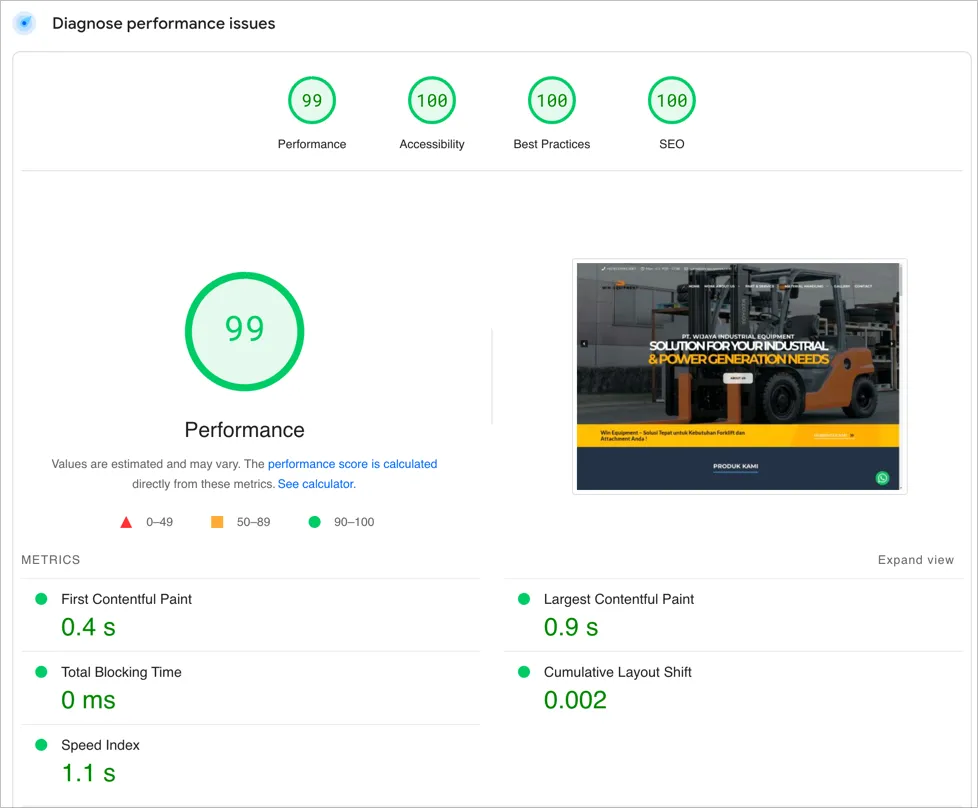
WIN Equipment Speed Transformation
Mobile PageSpeed improved from 27 to 92 after structured optimization across the website, plugins, and server environment.
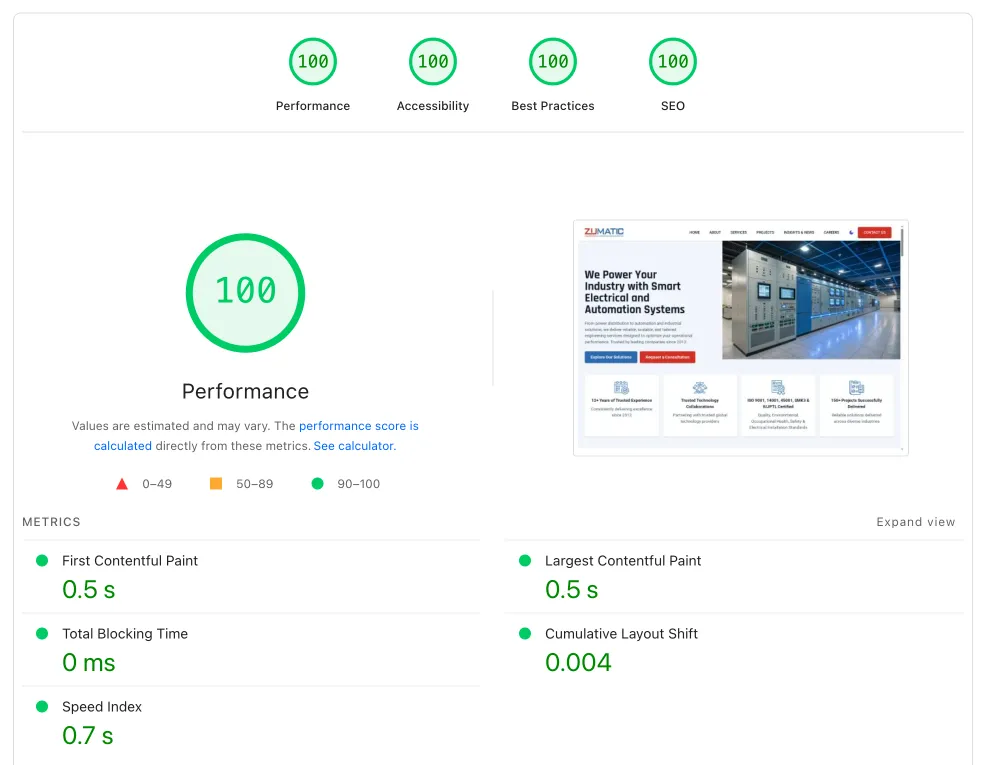
PT Zumatic Core Web Vitals Optimization
Mobile performance improved by 75.47% and loading time fell by almost 49% through a structured technical approach.
What We Handle in WordPress Speed Optimization
Full Performance Audit
We map the dominant causes of slow loading so time is spent on the changes that matter most.
- Core Web Vitals and waterfall audit
- Plugin and theme analysis
- Render-blocking review
- Quick-win and structural priorities
Asset and Media Optimization
Visual assets and static files are made lighter for mobile and desktop delivery.
- Efficient image compression and formats
- Measured lazy loading
- Non-critical CSS and JS optimization
- Removal of unnecessary resources
Caching and Database Tuning
Caching and database behavior are adjusted to make response times more consistent.
- Page and object cache configuration
- Query and database-table review
- Autoload and transient cleanup
- Cache rules for dynamic pages
Plugin and Script Optimization
We reduce avoidable browser and server load from plugins and scripts.
- Overlapping or conflicting plugin detection
- Unused module cleanup
- Context-aware delay or defer
- Light custom-script refactoring
TTFB and Server Response Improvements
If the bottleneck is the infrastructure, we identify the right server-side improvement or recommendation.
- Hosting and server bottleneck analysis
- PHP and web-server review
- VPS upgrade recommendation when needed
- Direction to VPS Setup for full execution
Before-and-After Validation
Each implementation is evaluated so the outcome is visible rather than based on assumptions.
- Before-and-after metric comparison
- Implemented-change notes
- Stability checklist
- Monitoring and next-step recommendations
A Shorter Path from Audit to Improvement
We implement the highest-impact steps first so performance can improve without unnecessarily disrupting the live website.
1 Intake and Scope
We gather the website context, performance target, and pages that matter most to the business.
Intake and Scope
We gather the website context, performance target, and pages that matter most to the business.
This keeps the optimization tied to business needs rather than chasing a tool score in isolation.
2 Bottleneck Audit
We identify the root causes of slow loading across the front end, back end, and server.
Bottleneck Audit
We identify the root causes of slow loading across the front end, back end, and server.
The audit can cover Core Web Vitals, network waterfall, plugin and theme overhead, cache, database, and TTFB.
3 Quick-Win Implementation
We implement the safer high-impact improvements first so the initial result can be seen sooner.
Quick-Win Implementation
We implement the safer high-impact improvements first so the initial result can be seen sooner.
Examples include asset optimization, cache tuning, unnecessary-plugin cleanup, and blocking-script improvements.
4 Deeper Optimization
When needed, we continue at the structural or server level after the initial improvements are understood.
Deeper Optimization
When needed, we continue at the structural or server level after the initial improvements are understood.
We explain whether the next useful move is a redesign, a server change, or an ongoing maintenance workflow.
5 Validation and Handover
We share the after-audit summary, implemented changes, and a basic monitoring plan.
Validation and Handover
We share the after-audit summary, implemented changes, and a basic monitoring plan.
You receive a concise record of what changed and the most sensible next priority for keeping performance stable.
WordPress Speed Optimization FAQ
Common questions before starting a WordPress performance project.
How long does WordPress speed optimization take?
Do I need a full website redesign to improve speed?
Can you guarantee a PageSpeed score of 100?
How is this different from a website redesign?
When should I upgrade hosting or move to a VPS?
Will the website stay online during optimization?
Is support available after optimization?
Not sure whether the problem is speed, hosting, or the wider website experience? Chat with us and we will help identify the right starting point.
Ready to Find Out What Is Actually Slowing Your Website Down?
Share the symptoms, the important pages, and the performance changes you want to see. We will help map the technical causes and the most useful next action.