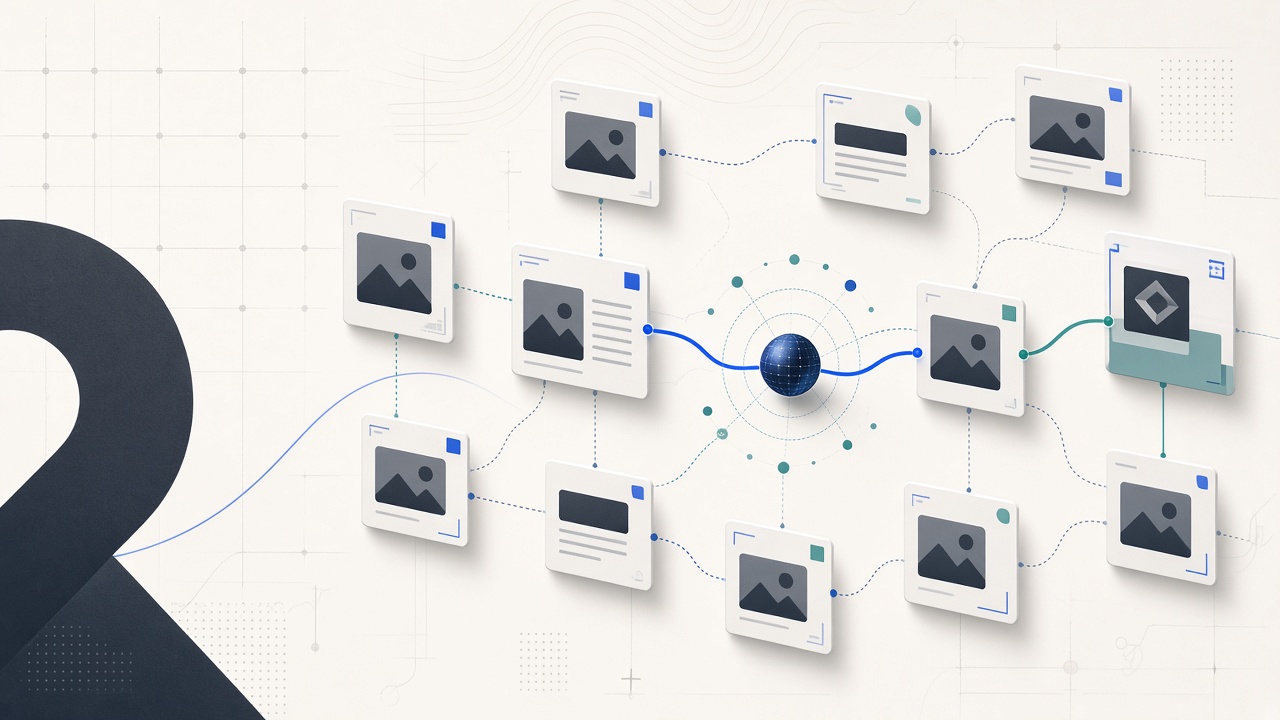
seo internal linking jev
Membangun Internal Link Map Website dengan Jev
Bagaimana saya membaca 155 halaman ID dan EN dengan Jev, memisahkan link template dari link editorial, lalu menerapkan 155 keputusan contextual link.
See how we helped clients improve website performance, loading speed, and user experience through the solutions we delivered.
Bagaimana saya membaca 155 halaman ID dan EN dengan Jev, memisahkan link template dari link editorial, lalu menerapkan 155 keputusan contextual link.
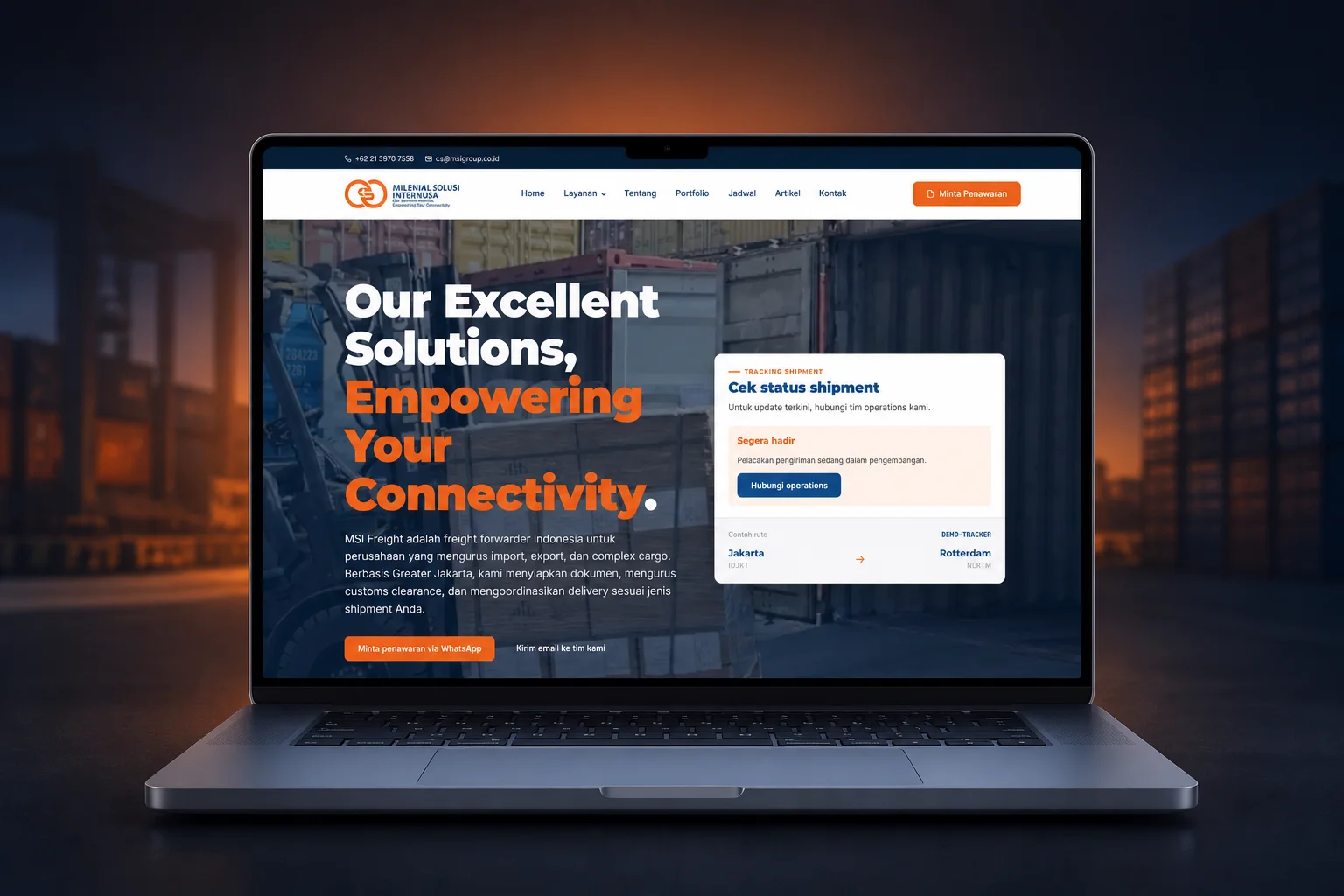
MSI Freight already had a finished HTML design, but no way to manage content. Any change meant touching code.
We moved that design into a custom WordPress build with its own theme and blocks, 13 pages, 32 articles, and 346 redirect rules to protect the old URLs.
The team now updates content on its own, while the SEO structure and page addresses stay intact.
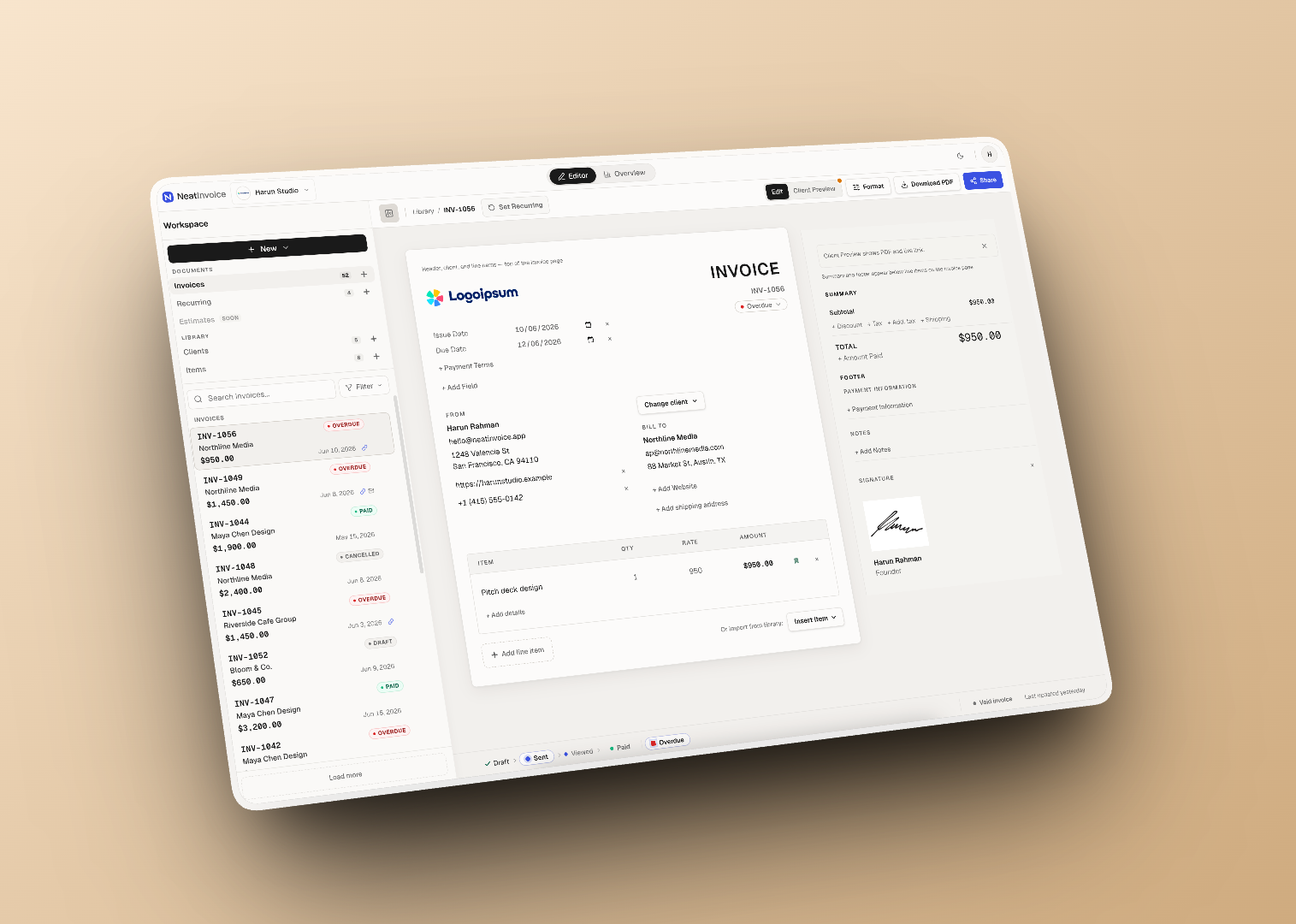
Most invoicing tools only add features. We started from a different question: what work does the user actually do every day?
NeatInvoice was positioned as a workspace, not a PDF generator. The interface was cut down to two screens, Editor and Overview, with live link tracking that earns its place.
That focus produced a product that is calmer to use, running on a lean Next.js, Supabase, and Vercel stack.
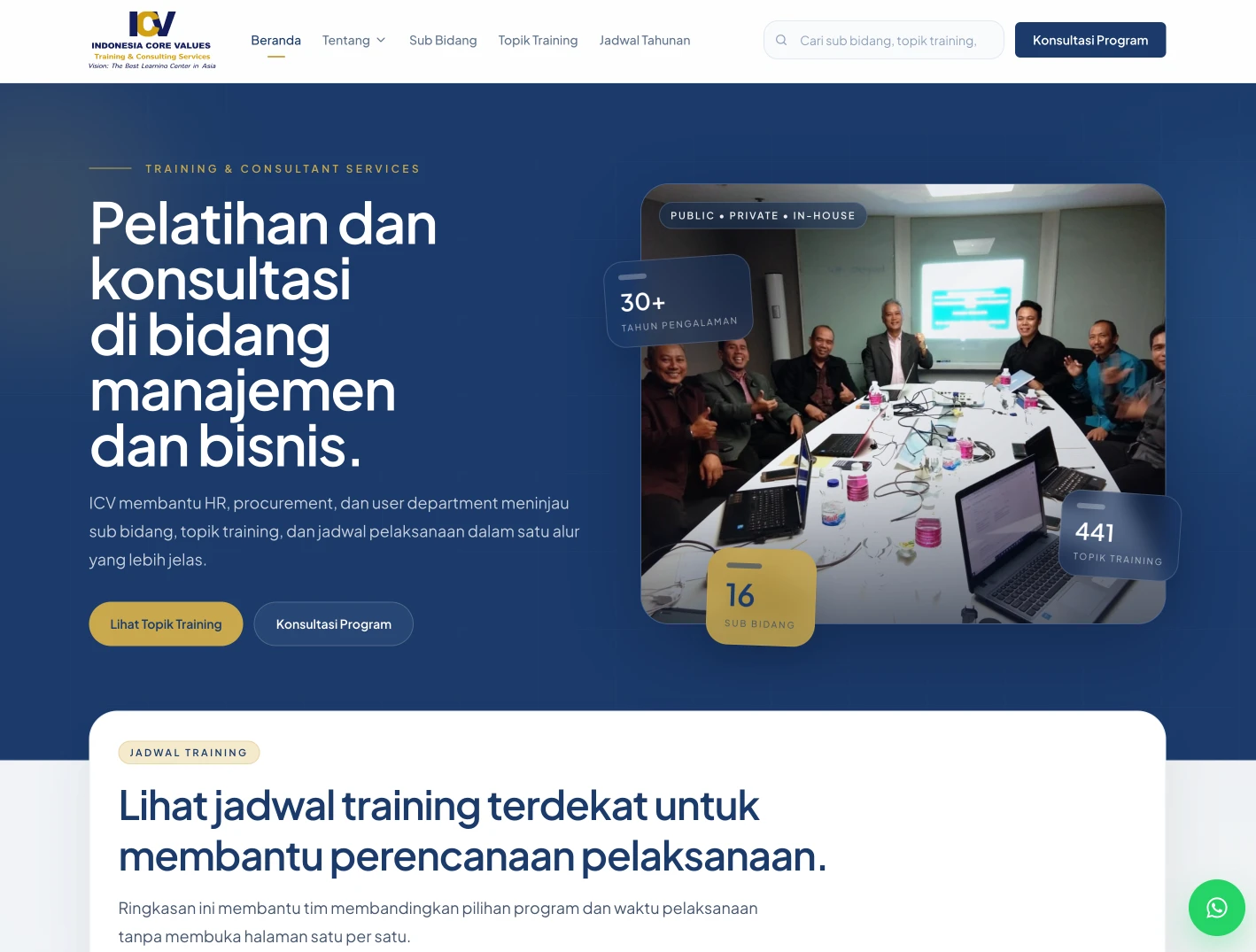
ICV Training holds thousands of training documents across 441 topics and 4,430 batches. A catalog that size does not work well by hand.
We built a dynamic catalog with Astro, Sanity, and Cloudflare Workers, including an AI-assisted data import.
About 4,905 documents are now searchable and published quickly, with platform costs near zero.

Penasihat Hosting grew from a review blog into an ecosystem that needed a directory, wiki, and tools. A WordPress setup that had been solid started to become the ceiling.
We migrated the platform to Next.js 16 with PostgreSQL and a custom CMS, keeping the content and URL structure intact.
The new foundation lets future features move freely, without fighting plugin limits.
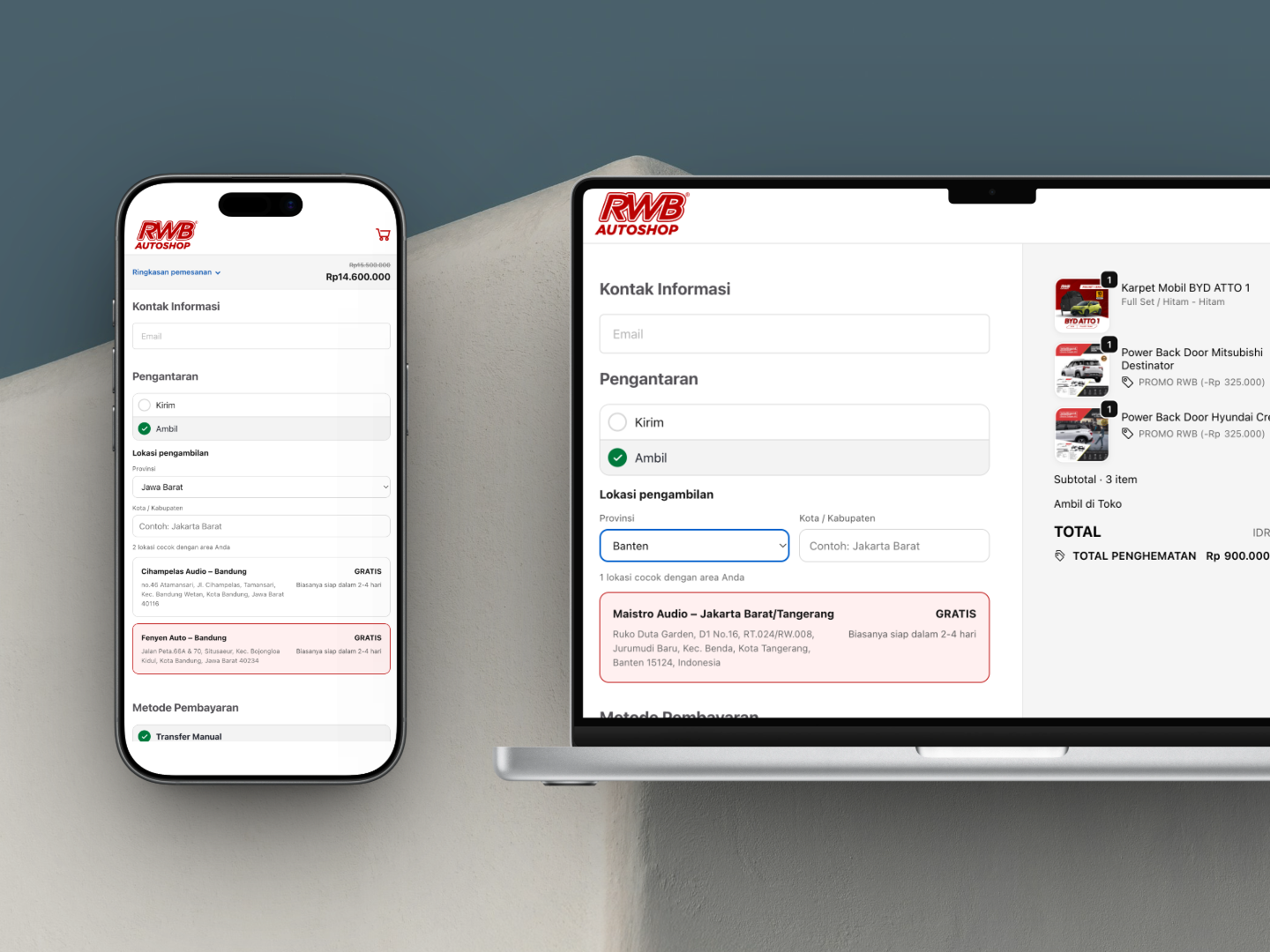
The default WooCommerce checkout felt stiff and unconvincing on mobile, even though that page decides whether a buyer completes the order.
We rebuilt the flow on Fluid Checkout Lite, then finished it with custom PHP, JavaScript, and CSS. Delivery and local pickup options sit clearly on one page.
The result is a calmer checkout that removes hesitation at the last step without replacing WooCommerce itself.
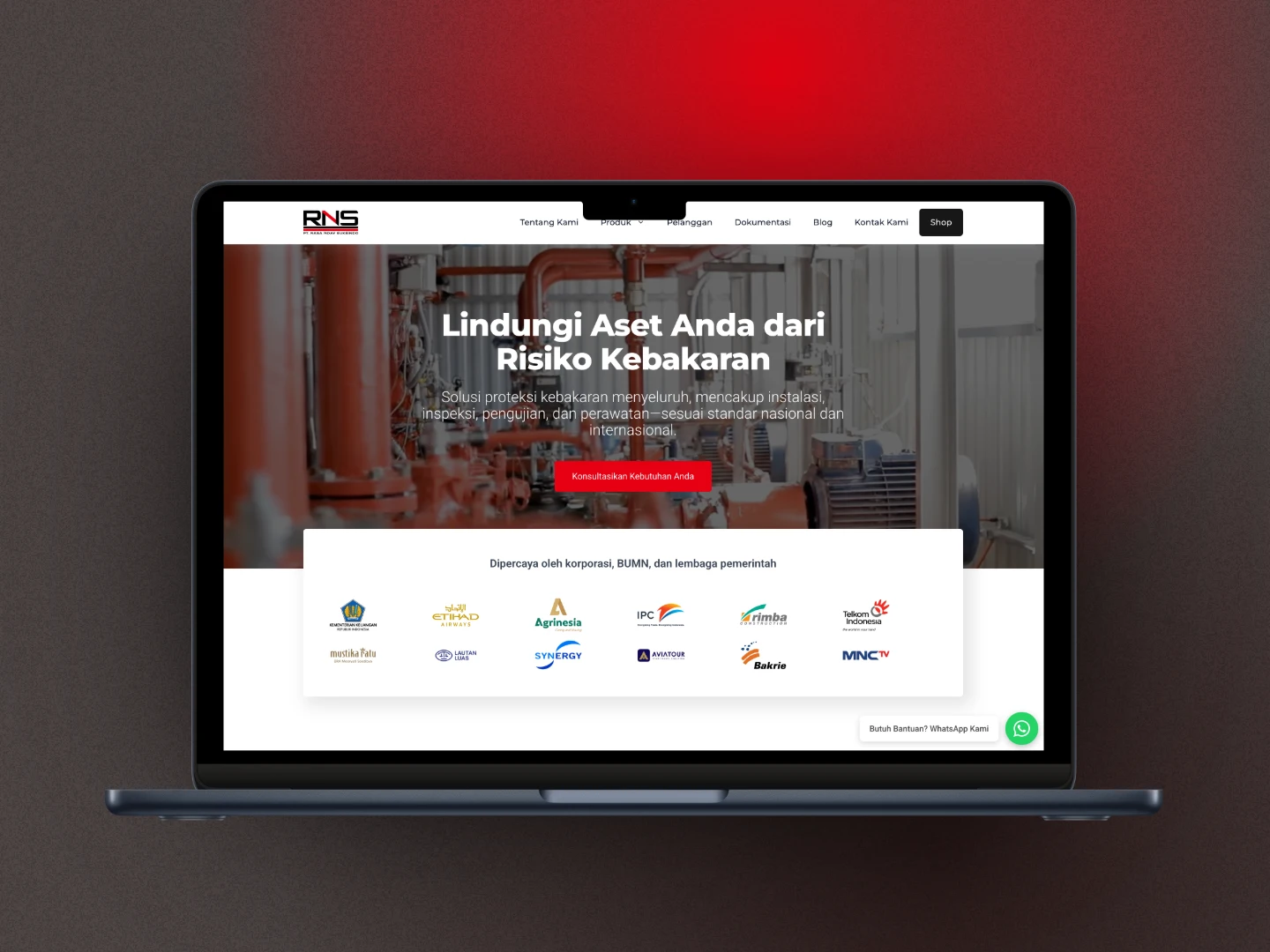
The old website was lost together with a hosting and domain that were not renewed. There was no backup, so rebuilding from zero was the only option.
Each page was written from the perspective of a fire protection client, from the information they search for to the reasons they get in touch.
The result is a light WordPress site scoring 100 on desktop and 98 for accessibility, still easy for the internal team to manage.
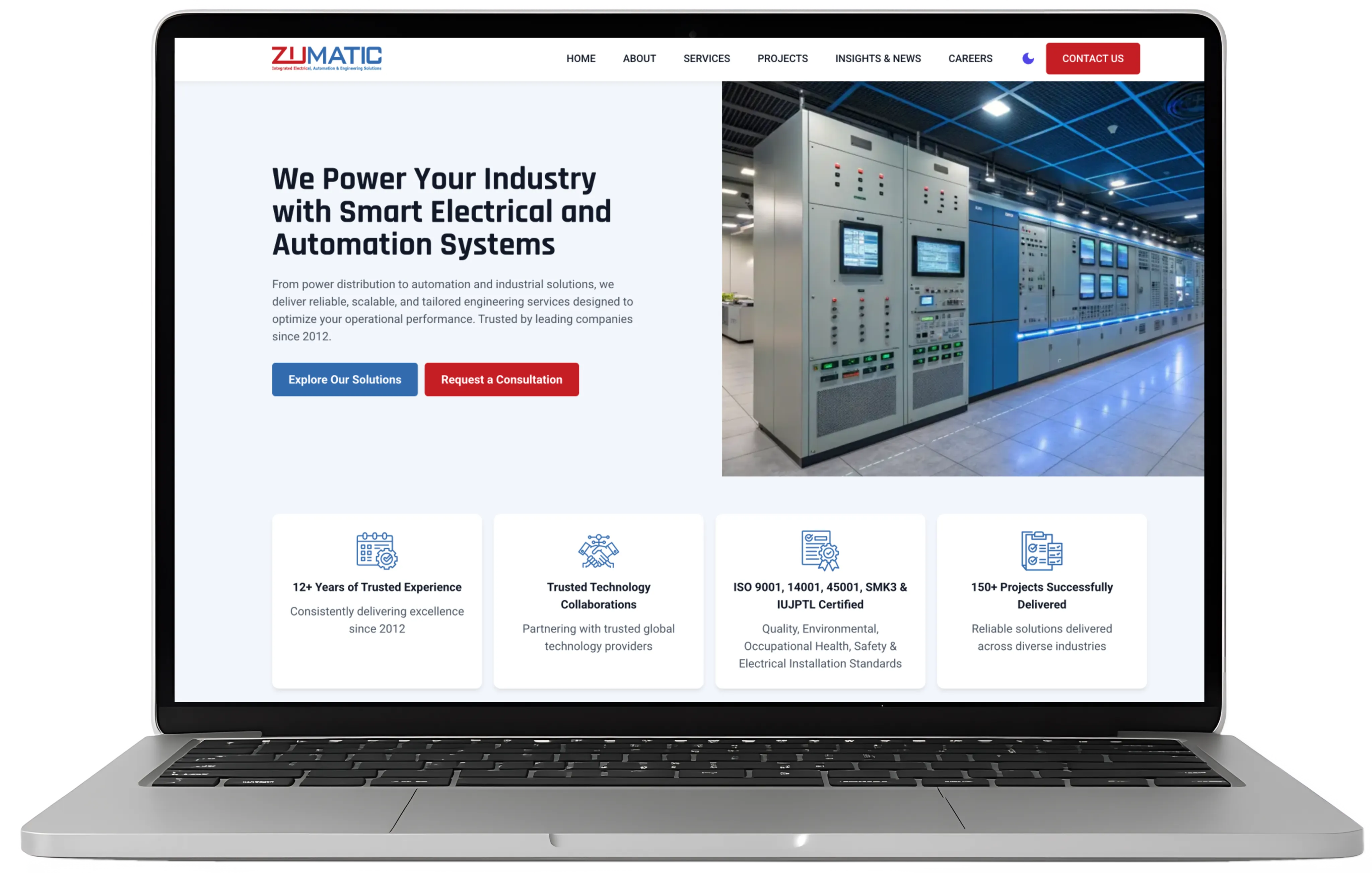
PT Zumatic's website had grown into a complex system that was heavy to maintain and no longer matched the scale of the business.
We audited the technical load, optimized WordPress loading, and simplified how the team manages content, including its multilingual needs.
Mobile performance rose from 53 to 93 and desktop from 81 to 100, with far lighter upkeep.
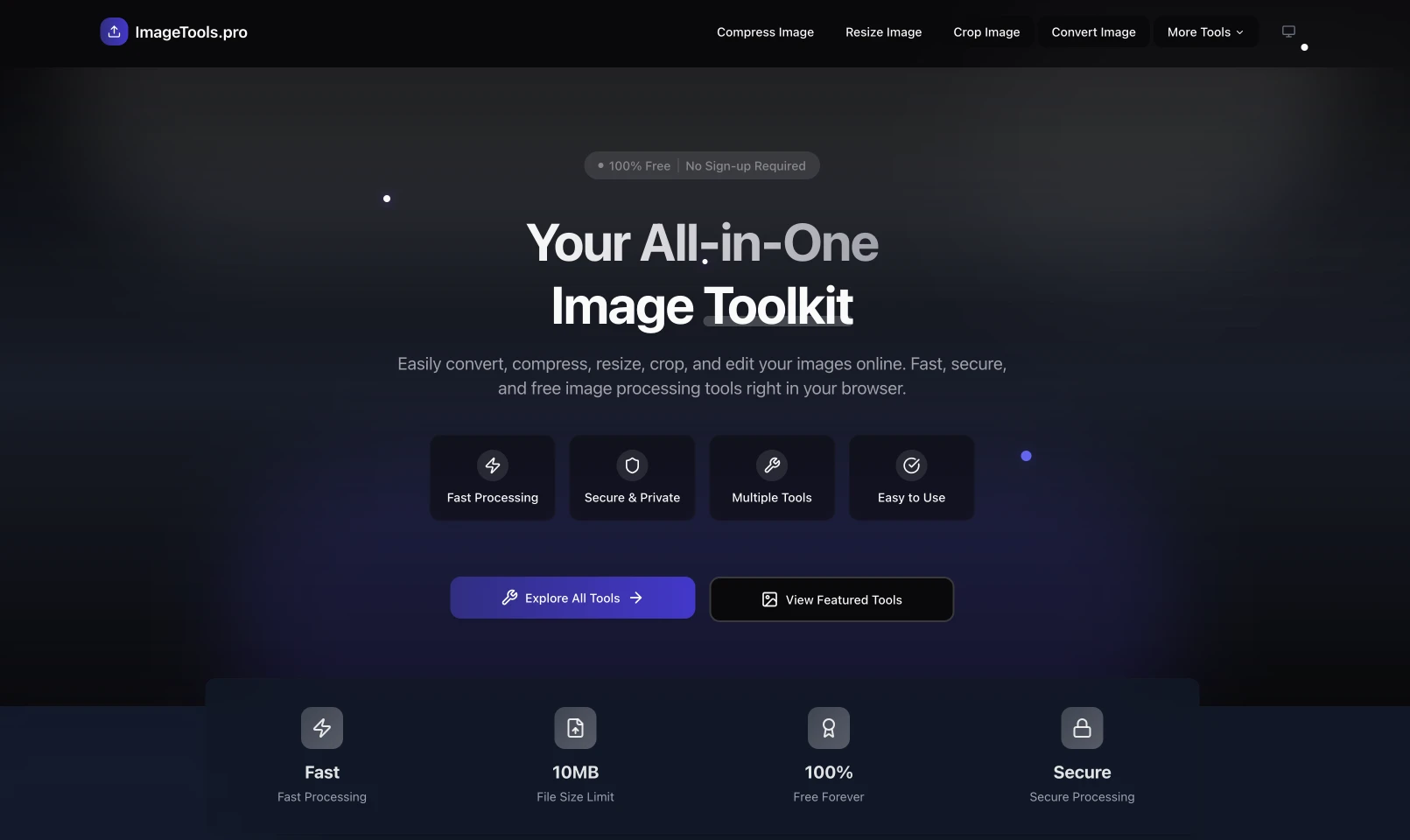
ImageTools.pro started as an experiment: build a working image tool without a team or a long project cycle.
Using Next.js, Sharp.js, and Shadcn UI, I built a simple upload, process, and download flow. AI sped up technical decisions without replacing understanding.
The app shipped in five days and proved a clean web product can move fast when scope stays tight.
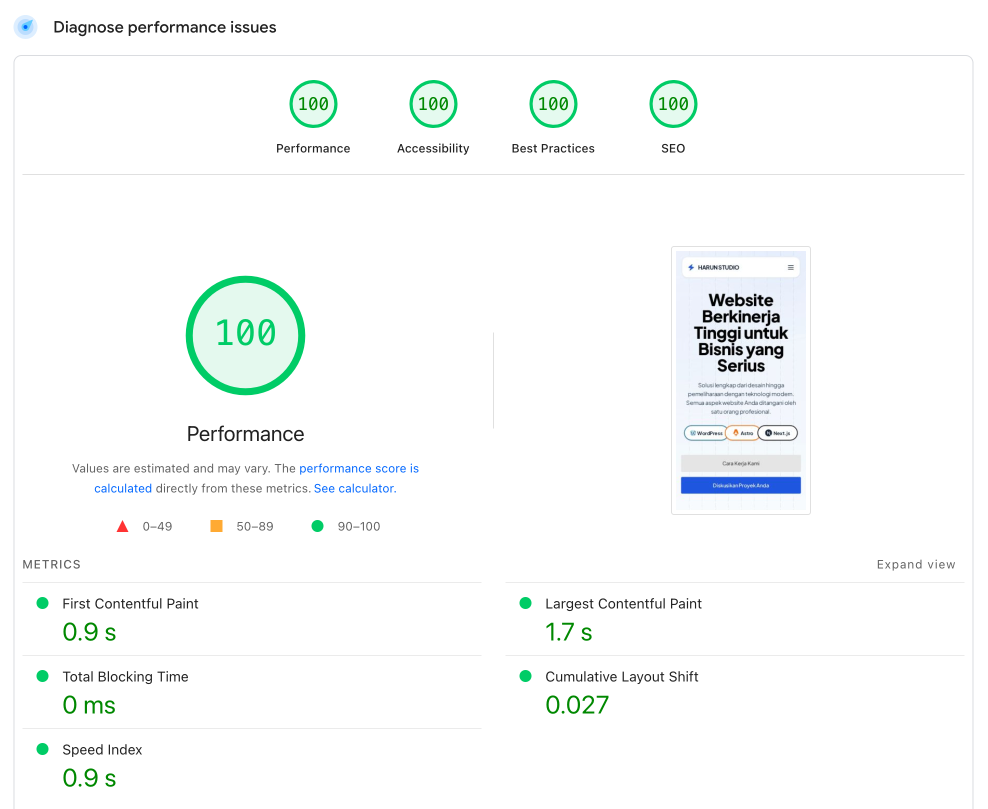
Harun Studio's own site still ran on WordPress, with a monthly hosting bill and a workflow heavier than the work required.
We moved the whole site to Astro, rebuilt the content and components, then served it as static files.
Loading is roughly 8x faster, hosting cost dropped 100%, and publishing is far simpler.
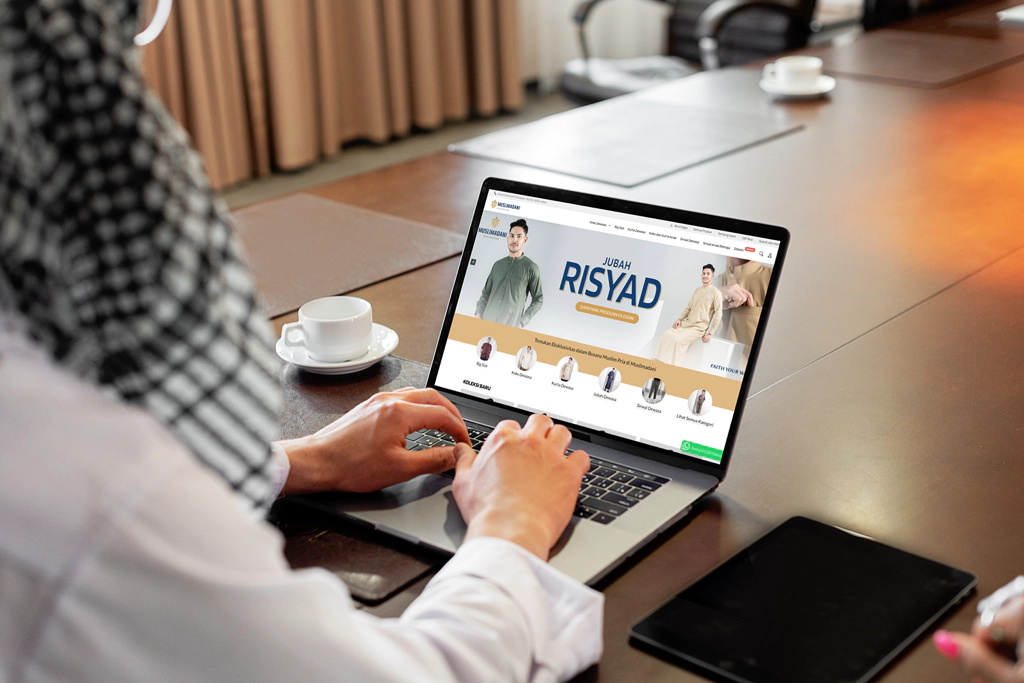
The Muslimadani online store felt slow and made buying harder. The causes were spread across heavy assets, technical configuration, and hosting that no longer fit.
We started with a bottleneck audit, fixed the sources of the slowdown, then moved hosting to a VPS for stability.
Shopping became faster and clearer, and the internal team found the store easier to maintain.
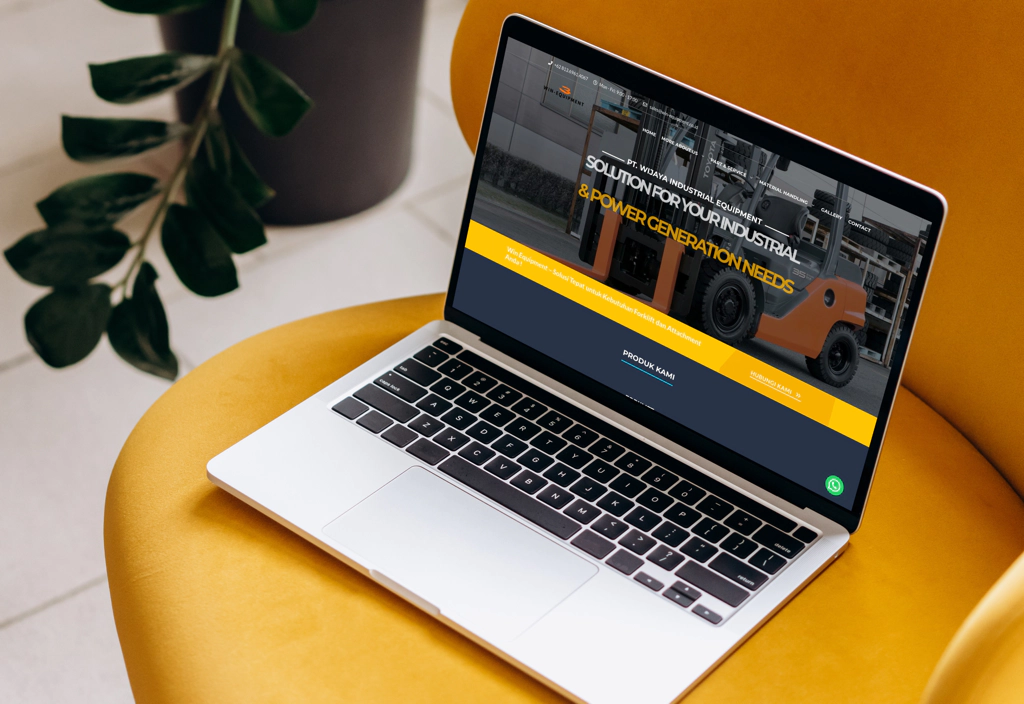
WIN Equipment's website felt heavy to open. A mobile PageSpeed score of 27 and 43 active plugins made it slow on the devices most customers use.
We audited page weight, removed overlapping plugins, and cleaned up the assets blocking render. The goal was real load time, not a score.
Mobile reached 92 and desktop 99, while load time dropped from 5.2 seconds to 1.1 seconds.