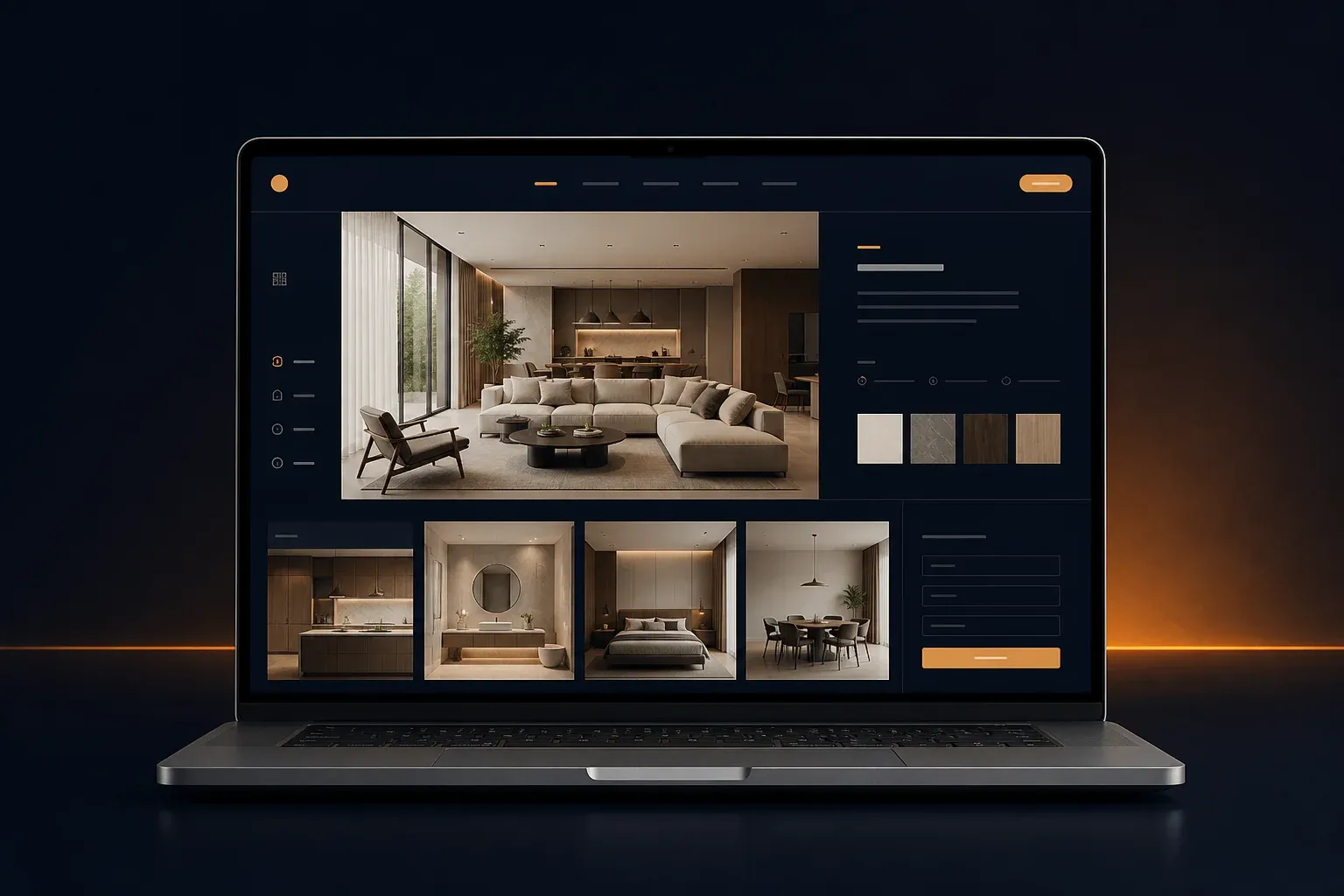
Interior Design Studio Websites
Let the portfolio show your studio's quality from the first visit.
Bring your portfolio, services, studio process, and project brief into one clear visual website.
View Interior Design Studio WebsitesA contractor website is a central place to explain construction services, project experience, certifications, service areas, and how prospective clients can send an inquiry. We shape it around your business needs instead of a generic template.
Contractors often have strong experience and capabilities, but the information is scattered across proposals, chats, or internal documents. A website turns it into one clear reference point.
Services, specializations, and service areas are organized clearly for new visitors.
Project portfolios can explain context, scope, and the outcome of the work.
An inquiry form helps prospective clients send more complete initial information.
CONTRACTOR WEBSITE STRUCTURE
An effective contractor website is more than a company profile. Each section helps prospective clients understand your capabilities and decide what to do next.
The final structure follows your contractor type, target projects, service areas, and the way your team manages inquiries.
Explain who you are, the types of projects you handle, and why a prospective client should keep reading.
Organize construction or technical services into pages that are easy to scan and share.
Show project context, scope, location, documentation, and results that are approved for publication.
Place certifications, standards, experience, and company capacity where they provide useful supporting evidence.
Help prospective clients understand your coverage, address, communication channels, and how to request a proposal.
Use a form or WhatsApp flow to collect initial context so the project conversation starts more efficiently.
We start with how prospective clients search for contractors, suppliers, and construction services. Semrush research, SERP analysis, and intent-led copywriting guide the page structure before design begins.
We map relevant service, project-type, and service-area keywords before deciding which pages the website needs.
We compare pages already appearing in Google to identify useful topics, proof points, and unanswered questions.
Service, capability, and project narratives are written so prospective clients can understand your fit and next step quickly.
Headings, metadata, schema, and content structure are prepared so company information is easier for search engines and AI assistants to understand.
Keyword research and SERP analysis take place during planning, before design and implementation begin.
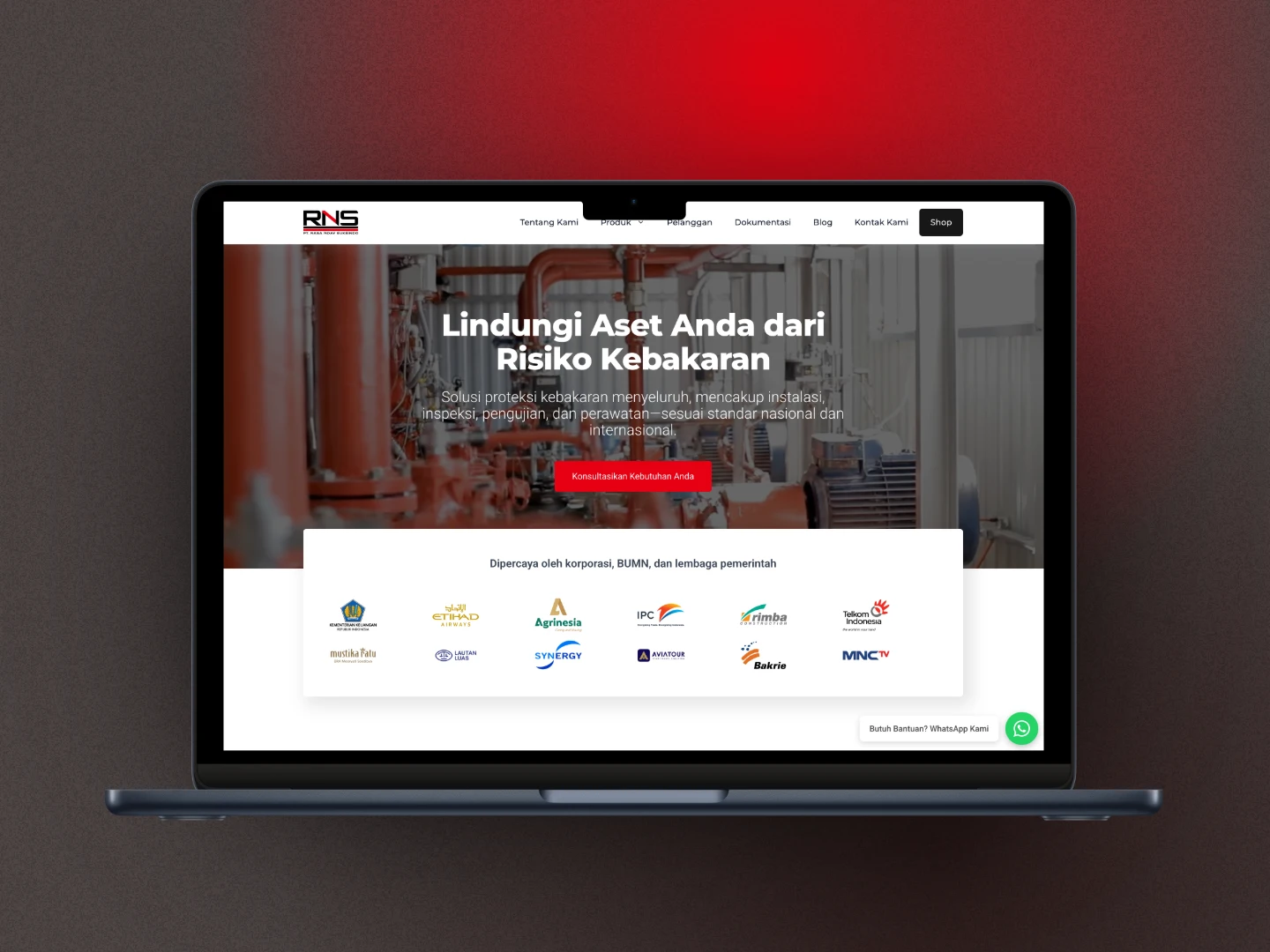
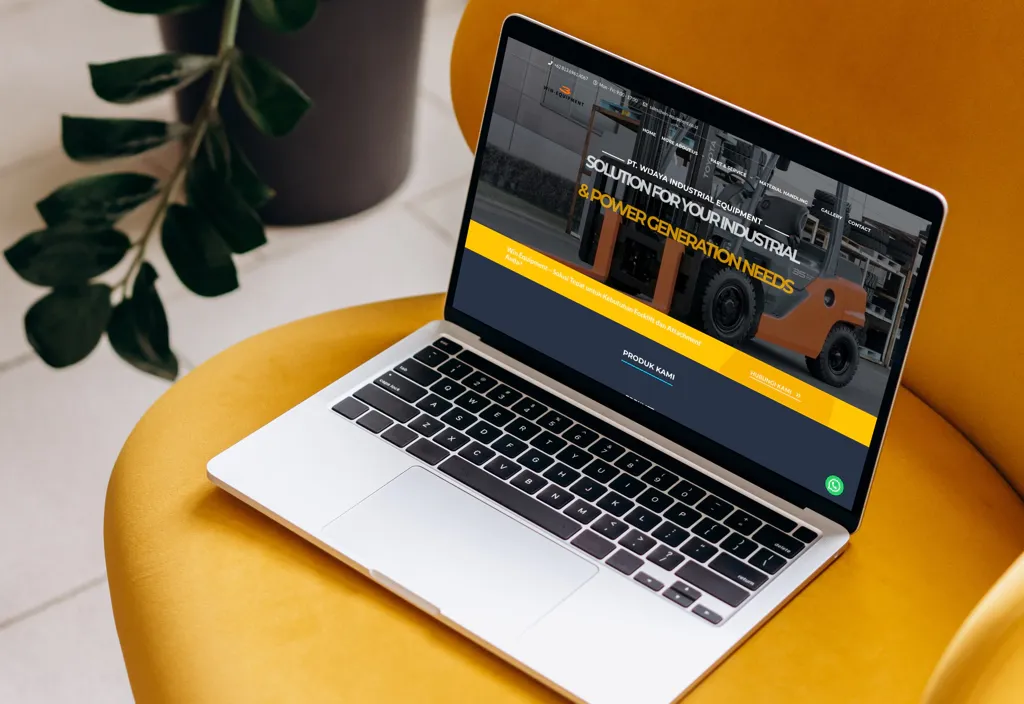
These two projects show how we rebuilt website structures and improved WordPress performance for industrial businesses.
The old website could not be restored because there was no backup. We rebuilt it with WordPress, GeneratePress, GenerateBlocks, and a custom-field-based catalog structure suited to the business.
An industrial WordPress website that started out slow was rebuilt with GeneratePress and Blocks, then optimized through plugin reduction, hosting migration, and server improvements.
Show projects by work type, location, or the category that helps prospective clients assess your experience most quickly.
Each service can have its own page so visitors understand the process, scope, and fit for their needs.
Prospective clients can be prompted to send initial context that helps your team assess the need before the conversation begins.
Certifications, experience, standards, and service areas can be shown without making the page feel like a tender document.
The website structure is prepared to answer searches relevant to your services, projects, and service areas.
For WordPress, a custom theme and blocks plugin can be adjusted so service or project updates do not require a developer every time.
We start with the information prospective clients need to trust you, then turn it into a website structure your team can use and develop over time.
We understand your work types, target clients, service areas, experience proof, and how inquiries usually arrive.
The result is a clear page and content priority before visual design begins.
We use Semrush, compare SERP patterns, and shape service, portfolio, and CTA pages around search intent.
At this stage, you have a clearer view of what needs to be ready at launch and what can be developed later.
Once the structure is agreed, we build the website, test the inquiry flow, and prepare a management workflow for your team.
The website launches with technical and content foundations ready for presentations, marketing, and future development.
INDUSTRIES
See website approaches shaped around the services, proof, catalog, and inquiry flow of each business.
Let the portfolio show your studio's quality from the first visit.
Bring your portfolio, services, studio process, and project brief into one clear visual website.
View Interior Design Studio Websites
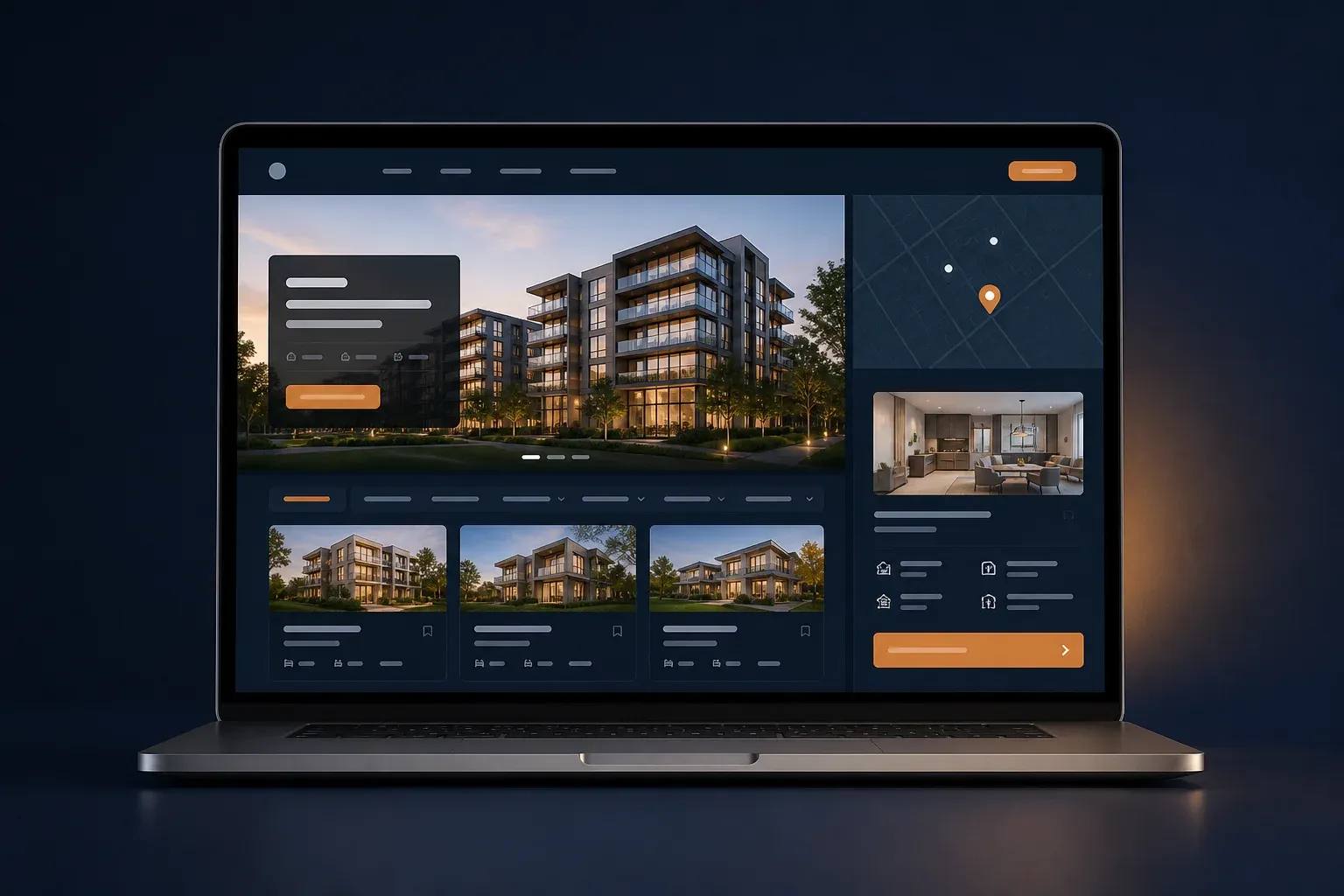
Help buyers compare units, locations, and amenities in one flow.
Manage listings, unit details, locations, amenities, galleries, and buyer inquiries in a structure that is easy to update.
View Property WebsitesAnswers to the questions that usually need to be settled before a contractor website is built.
Still comparing a contractor website with a general business website? Start from your project needs, then we can help map a sensible scope.
Tell us about your services, project types, and team workflow. We will help map the most relevant website structure before design and development begin.